
Diesel engines are widely used in passenger vehicles, commercial trucks, agricultural machinery, construction equipment, marine engines, and industrial applications because of their durability, fuel efficiency, and high torque output. At the heart of every diesel engine is the fuel injection system, which precisely delivers fuel to the engine at the correct pressure and timing. A critical component of this system is the diesel fuel injection pump, responsible for supplying fuel to the injectors under high pressure.
Over time, diesel fuel pumps can suffer from wear, contamination, internal leakage, and calibration issues, leading to poor engine performance and increased fuel consumption. To ensure accurate operation and restore factory specifications, workshops use Diesel Fuel Pump Test Benches. These advanced machines allow technicians to test, calibrate, and repair fuel injection pumps under simulated operating conditions.
In this blog, we will explore everything you need to know about diesel fuel pump test benches, including their features, working process, applications, benefits, and why they are essential for modern diesel service workshops.
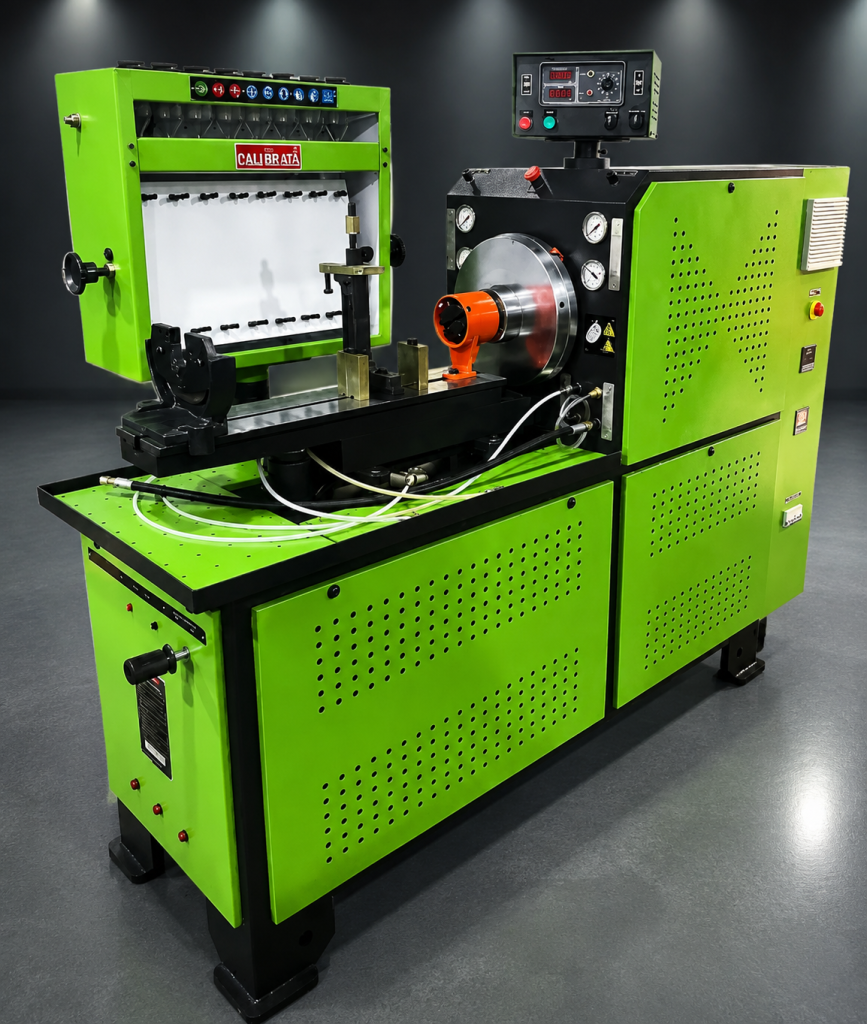
What is a Diesel Fuel Pump Test Bench?
A Diesel Fuel Pump Test Bench is a professional workshop machine designed to test, calibrate, and evaluate the performance of diesel fuel injection pumps. It simulates real engine operating conditions by driving the pump at controlled speeds while measuring fuel delivery, injection timing, and pressure.
These test benches are used after repairing or rebuilding fuel pumps to ensure they meet the manufacturer’s performance standards before being installed back into the engine.
Modern test benches support a wide range of diesel fuel pumps, including:
- Inline Fuel Injection Pumps
- Rotary Distributor Pumps
- Mechanical Diesel Pumps
- Electronic Diesel Pumps
- Common Rail High-Pressure Pumps
- Unit Pumps (EUP)
- Unit Injectors (EUI)
They are widely used in diesel fuel injection service centers, automotive workshops, and engine rebuilding facilities.
Why Diesel Fuel Pump Testing is Important
The diesel fuel injection pump is one of the most critical components of a diesel engine. Even slight deviations in fuel delivery or injection timing can significantly affect engine performance.
Common symptoms of a faulty diesel fuel pump include:
- Hard engine starting
- Poor fuel economy
- Reduced engine power
- Rough idling
- Excessive black smoke
- White or blue exhaust smoke
- Engine knocking
- High exhaust emissions
- Uneven engine operation
A diesel fuel pump test bench helps technicians identify these issues accurately, allowing for proper repairs and calibration instead of costly component replacement.
Key Features of Diesel Fuel Pump Test Benches
High-Precision Pump Testing
A diesel fuel pump test bench evaluates pump performance under different operating speeds and loads. It accurately measures fuel delivery to ensure each cylinder receives the correct amount of fuel.
Fuel Delivery Measurement
One of the primary functions of the test bench is measuring fuel delivery volume for every pump outlet.
This helps technicians identify:
- Uneven fuel delivery
- Worn internal components
- Incorrect calibration
- Fuel imbalance between cylinders
Proper fuel delivery ensures smoother engine operation and improved fuel efficiency.
Injection Timing Calibration
Injection timing plays a vital role in diesel engine performance.
The test bench enables technicians to adjust injection timing according to manufacturer specifications, improving:
- Engine power
- Fuel economy
- Combustion efficiency
- Emission performance
Speed Control System
Modern test benches feature variable-speed electric motors that simulate different engine operating conditions.
Technicians can test fuel pumps at:
- Idle speed
- Medium RPM
- High-speed operation
- Full-load conditions
This allows complete evaluation of pump performance throughout the engine’s operating range.
Pressure Testing
Advanced diesel fuel pump test benches simulate high-pressure operating conditions to verify pump performance and detect internal leakage.
Pressure testing helps identify worn seals, damaged plungers, and valve failures before the pump is reinstalled.
Digital Control and Display
Many modern test benches feature computerized control systems with digital displays that provide:
- Pump speed
- Fuel delivery values
- Operating time
- Temperature monitoring
- Test results
- Calibration data
Digital operation improves testing accuracy and reduces operator error.
Wide Pump Compatibility
Professional diesel fuel pump test benches support a wide variety of fuel injection pumps from leading manufacturers, including:
- Bosch
- Delphi
- Denso
- Zexel
- Stanadyne
- Yanmar
- Caterpillar
- Cummins
This versatility makes them suitable for servicing different types of diesel engines.
How a Diesel Fuel Pump Test Bench Works
The testing process follows several important steps to ensure accurate calibration.
Step 1: Pump Installation
The diesel fuel pump is securely mounted onto the test bench using appropriate fixtures and adapters.
Step 2: Connection of Fuel Lines
Fuel supply and return lines are connected to the testing system to simulate engine fuel circulation.
Step 3: Programming Test Parameters
The technician enters manufacturer-recommended testing specifications such as:
- Pump speed
- Fuel quantity
- Injection timing
- Test duration
Step 4: Running the Test
The electric motor drives the fuel pump while the bench measures fuel delivery under different operating conditions.
Step 5: Calibration
If necessary, technicians adjust fuel quantity, timing, and governor settings until the pump meets factory specifications.
Step 6: Final Verification
The pump undergoes final testing to confirm:
- Correct fuel delivery
- Balanced cylinder output
- Accurate injection timing
- Leak-free operation
Only after passing all tests is the pump approved for installation.
Applications of Diesel Fuel Pump Test Benches
Diesel fuel pump test benches are widely used in:
- Diesel fuel injection service centers
- Automotive repair workshops
- Truck repair facilities
- Agricultural equipment service centers
- Construction equipment workshops
- Marine engine repair shops
- Industrial engine maintenance companies
- Engine rebuilding facilities
- Technical training institutes
Their versatility makes them essential for servicing a wide variety of diesel-powered equipment.
Benefits for Automotive Workshops
Investing in a professional diesel fuel pump test bench offers several advantages.
Accurate Diagnostics
Technicians can identify internal pump problems quickly and accurately, reducing unnecessary component replacement.
Improved Workshop Efficiency
Automated testing and calibration reduce repair time while increasing workshop productivity.
Better Customer Satisfaction
Properly calibrated fuel pumps restore engine performance, fuel efficiency, and reliability, leading to happier customers.
Increased Business Opportunities
Offering diesel fuel pump testing and calibration allows workshops to expand their service portfolio and generate additional revenue.
Reduced Warranty Claims
Accurate calibration minimizes repeat repairs and improves long-term customer confidence.
Advantages of Modern Digital Test Benches
Compared to older manual systems, modern digital diesel fuel pump test benches offer several improvements:
- Higher testing accuracy
- Faster calibration
- Automated testing procedures
- Digital measurement systems
- Improved repeatability
- User-friendly operation
- Data storage and reporting
- Enhanced reliability
These features help technicians perform professional repairs with greater confidence.
Maintenance Tips for Diesel Fuel Injection Pumps
Proper maintenance extends the life of diesel fuel pumps and reduces costly repairs.
Recommended practices include:
- Use clean, high-quality diesel fuel.
- Replace fuel filters regularly.
- Drain water separators periodically.
- Avoid contaminated fuel.
- Follow manufacturer service intervals.
- Repair fuel leaks immediately.
- Test and calibrate pumps after major repairs.
Routine maintenance helps maintain fuel system performance and engine reliability.
Choosing the Right Diesel Fuel Pump Test Bench
Before purchasing a test bench, workshops should consider:
- Pump compatibility
- Motor power
- Digital control features
- Automation level
- Measurement accuracy
- Ease of operation
- Availability of spare parts
- Technical support
- Software update capability
- Future compatibility with modern diesel systems
Choosing the right equipment ensures long-term productivity and return on investment.
The Future of Diesel Fuel Pump Testing
Although electric vehicles continue to grow in popularity, diesel engines remain essential in commercial transportation, agriculture, mining, construction, and industrial applications. Modern diesel fuel systems are becoming increasingly sophisticated, requiring highly accurate calibration and testing equipment.
New-generation diesel fuel pump test benches feature computerized controls, automatic calibration, cloud-based software updates, and compatibility with advanced common rail fuel systems. Workshops equipped with these technologies will be better prepared to service the latest diesel engines while maintaining high standards of repair quality.
Investing in advanced diesel fuel pump testing equipment not only improves workshop efficiency but also ensures long-term competitiveness in the evolving automotive service industry.
Conclusion
A Diesel Fuel Pump Test Bench is one of the most valuable pieces of equipment for any workshop specializing in diesel engine repair. By accurately testing, calibrating, and verifying fuel injection pumps, it ensures engines deliver optimum power, improved fuel efficiency, reduced emissions, and reliable performance.
From precise fuel delivery measurement and injection timing calibration to digital diagnostics and wide pump compatibility, modern test benches help technicians perform professional-quality repairs with confidence. Whether servicing passenger vehicles, heavy-duty trucks, agricultural machinery, or industrial engines, investing in a high-quality diesel fuel pump test bench enhances workshop productivity, improves customer satisfaction, and creates new business opportunities.
As diesel technology continues to evolve, professional testing equipment will remain an essential investment for workshops looking to deliver accurate, reliable, and future-ready diesel fuel system services