
The Common Rail Direct Injection (CRDI) System has transformed the performance, efficiency, and reliability of modern diesel engines. With increasing demand for cleaner emissions, improved fuel economy, and enhanced engine performance, automobile manufacturers have adopted CRDI technology as the standard fuel injection system in almost all modern diesel vehicles. From passenger cars and SUVs to commercial trucks, agricultural tractors, and construction equipment, CRDI systems play a crucial role in delivering precise fuel injection and efficient combustion.
Unlike traditional mechanical fuel injection systems, which rely on fixed injection timing and pressure, a CRDI system uses electronically controlled injectors supplied by a common high-pressure fuel rail. This allows the engine to inject the exact amount of fuel at precisely the right moment, ensuring complete combustion and optimum engine performance. The result is higher power output, smoother engine operation, lower fuel consumption, and significantly reduced emissions.
As emission regulations become stricter worldwide, technologies such as the CRDI system have become essential for diesel engines to comply with standards like BS6, Euro 6, and upcoming Euro 7 regulations. Understanding how this system works is important not only for vehicle owners but also for technicians, automotive students, and professionals working in diesel fuel injection servicing.
What is a CRDI System?
CRDI stands for Common Rail Direct Injection, an advanced diesel fuel injection technology that stores fuel at extremely high pressure inside a common rail before delivering it to electronically controlled injectors. Unlike older diesel systems, where each injector generates its own injection pressure, the CRDI system maintains constant pressure in a shared rail, allowing all injectors to receive fuel uniformly.
The Engine Control Unit (ECU) continuously monitors engine operating conditions such as engine speed, accelerator position, coolant temperature, air intake pressure, and fuel rail pressure. Based on this information, the ECU calculates the exact quantity of fuel required and controls the injection timing with exceptional accuracy. This electronic control enables multiple injections during a single combustion cycle, leading to cleaner combustion, reduced engine noise, and improved overall efficiency.
Main Components of a CRDI System
A CRDI system consists of several precision-engineered components that work together to deliver fuel efficiently and reliably.
The fuel tank stores diesel fuel and supplies it to the fuel system through a low-pressure pump. Before reaching the high-pressure pump, the diesel passes through the fuel filter, which removes dirt, rust particles, water, and other contaminants. Since CRDI components operate with extremely tight tolerances, clean fuel is essential to prevent damage.
The high-pressure fuel pump is one of the most important components of the system. It compresses diesel fuel to pressures ranging from approximately 1,600 bar to over 2,500 bar in modern engines. This high-pressure fuel is then delivered to the common rail, which acts as a storage reservoir and maintains constant pressure for all injectors.
The fuel injectors are electronically controlled valves that receive commands from the ECU. They spray finely atomized diesel directly into the combustion chamber at precisely the right time. Modern injectors are capable of multiple injections during a single combustion cycle, improving combustion efficiency and reducing emissions.
The rail pressure sensor continuously measures fuel pressure inside the common rail and sends this information to the ECU. The ECU uses this data to maintain the required pressure under different driving conditions. Together, these components ensure smooth engine operation, optimum fuel delivery, and maximum performance.
Working Principle of the CRDI System
The operation of a CRDI system begins when diesel fuel is drawn from the fuel tank and passed through the fuel filter. The filtered fuel then enters the high-pressure pump, where it is compressed to extremely high pressure.
This pressurized fuel is stored inside the common rail, ensuring that a constant supply of fuel is available for all injectors. Unlike conventional systems, the fuel pressure remains independent of engine speed, allowing the ECU to control injection timing and quantity more precisely.
During engine operation, the ECU receives signals from various sensors positioned throughout the engine. It analyses engine load, accelerator position, engine temperature, crankshaft position, air pressure, and rail pressure before determining the exact fuel requirement for each cylinder.
The ECU then sends electrical pulses to the injectors, causing them to open for a fraction of a second and spray a finely atomized mist of diesel directly into the combustion chamber. The atomized fuel mixes efficiently with compressed air, resulting in complete combustion, increased power output, lower fuel consumption, and reduced exhaust emissions.
Because the injection process is electronically controlled, the engine responds quickly to acceleration while maintaining smooth operation under varying driving conditions.
Advantages of the CRDI System
The widespread adoption of CRDI technology is largely due to the numerous benefits it offers over conventional diesel fuel injection systems.
One of the biggest advantages is improved fuel efficiency. The ECU delivers only the required amount of fuel, reducing wastage and helping vehicles achieve better mileage. Accurate fuel metering also contributes to lower operating costs, especially for commercial vehicles that cover long distances.
Another major advantage is higher engine performance. The finely atomized fuel burns more efficiently, producing greater torque and horsepower. Drivers experience quicker throttle response, smoother acceleration, and better overall driving comfort.
CRDI systems also play a significant role in reducing emissions. Efficient combustion lowers the production of harmful pollutants such as carbon monoxide (CO), hydrocarbons (HC), nitrogen oxides (NOx), and particulate matter (PM). This enables modern diesel vehicles to comply with stringent environmental regulations.
Engine refinement is another benefit. Multiple fuel injections during a single combustion cycle reduce diesel knocking, engine vibration, and noise levels. As a result, CRDI-equipped vehicles offer a quieter and more comfortable driving experience.
Additionally, the system provides better cold-start performance because electronic fuel management adjusts injection timing according to engine temperature. This ensures reliable starting even in colder weather conditions.
Common Problems in CRDI Systems
Although CRDI systems are highly reliable, they require clean fuel and proper maintenance. Poor-quality diesel or neglected servicing can lead to various issues.
Injector failure is one of the most common problems. Contaminated fuel can clog injector nozzles or damage internal components, leading to rough idling, excessive smoke, poor fuel economy, and reduced engine power.
The high-pressure pump is another component that may fail if contaminated fuel enters the system. Since diesel fuel also lubricates the pump, poor fuel quality can cause excessive wear and pressure loss.
Faulty rail pressure sensors or pressure control valves may send incorrect information to the ECU, resulting in warning lights, poor engine performance, or difficulty starting the engine.
Fuel contamination caused by water or dirt is a major concern because even tiny particles can damage precision-engineered injectors and pumps. Leaks from injector seals, fuel pipes, or rail connections may also reduce fuel pressure and affect engine performance.
Regular diagnosis using professional equipment helps detect these problems before they become major repairs.
Maintenance Tips for Long-Term Performance
Proper maintenance is essential to maximize the lifespan and efficiency of a CRDI system. Using clean, high-quality diesel fuel from trusted fuel stations is the first step in protecting injectors and pumps from contamination.
The fuel filter should always be replaced according to the manufacturer’s recommended service interval. A clogged filter restricts fuel flow and increases the risk of injector damage.
Vehicle owners should avoid running the fuel tank completely empty, as this may introduce air into the fuel system and allow contaminants from the bottom of the tank to circulate.
Professional inspection of injectors at regular intervals helps identify wear before serious engine problems develop. Injector testing and calibration ensure that each injector delivers the correct quantity of fuel with the proper spray pattern.
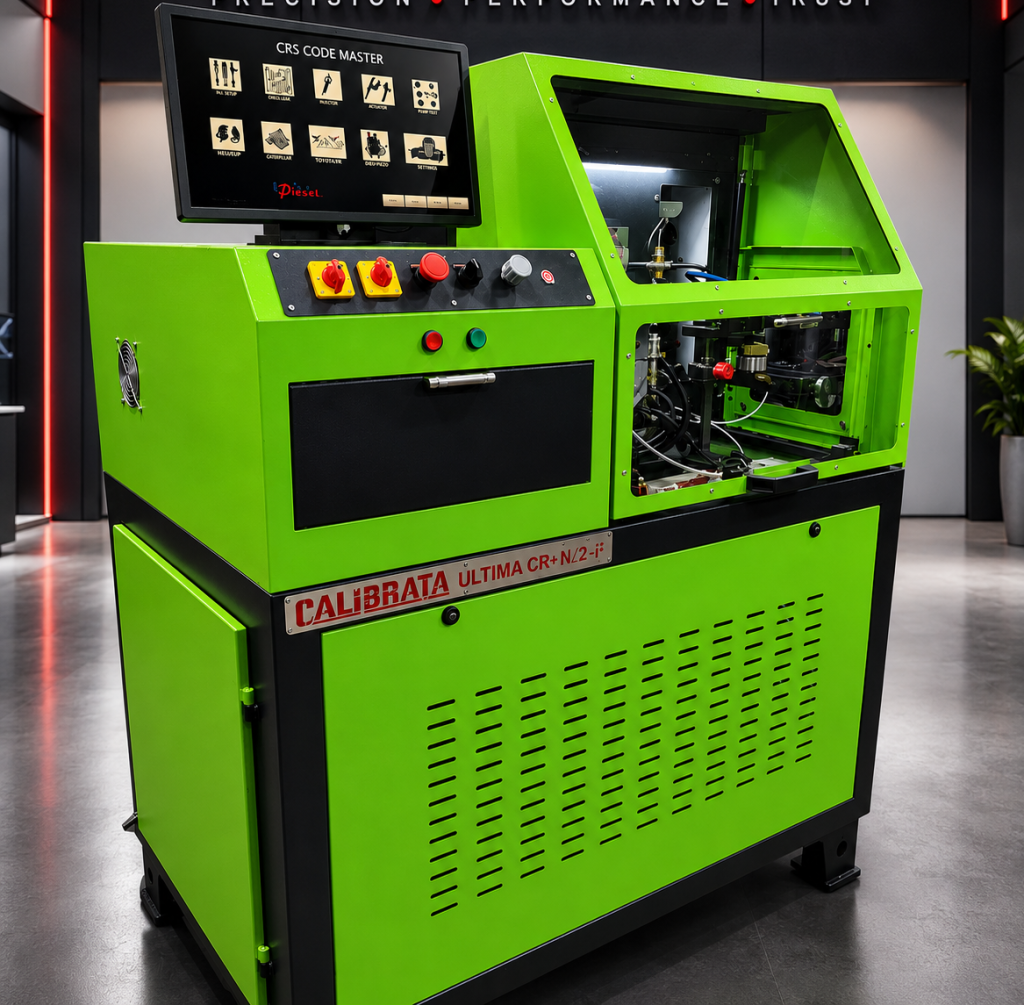
Modern workshops use advanced automotive diagnostic scanners, CRDI simulators, injector test benches, and common rail pump testing equipment to evaluate system performance accurately. Regular electronic diagnosis can detect sensor faults, pressure variations, and injector issues before they result in expensive repairs.
Following the recommended maintenance schedule not only improves engine reliability but also enhances fuel economy, reduces emissions, and extends the service life of critical fuel system components.
Applications of CRDI Technology
The CRDI system is widely used across various industries because of its efficiency, reliability, and ability to meet modern emission standards. Passenger cars, SUVs, pickup trucks, and luxury diesel vehicles rely on CRDI technology for smooth performance and excellent fuel economy.
Commercial trucks and buses use CRDI systems to deliver high torque and dependable performance under heavy loads. Agricultural machinery such as tractors and harvesters benefit from the system’s fuel efficiency and durability during long working hours. Construction equipment, including excavators, loaders, and cranes, also depends on CRDI technology to achieve reliable performance in demanding environments.
Marine engines, industrial generators, and stationary diesel engines increasingly utilize CRDI systems to improve combustion efficiency while reducing fuel consumption and emissions. As diesel technology continues to evolve, CRDI remains one of the most important innovations supporting cleaner, more powerful, and more efficient diesel engines.
Conclusion
The Common Rail Direct Injection (CRDI) System represents one of the most significant advancements in diesel engine technology. By combining high-pressure fuel delivery with electronic control, it provides exceptional fuel efficiency, higher engine performance, lower emissions, smoother operation, and improved reliability. Its ability to deliver precise fuel injection has made it the preferred choice for manufacturers across passenger vehicles, commercial transportation, agriculture, construction, and industrial applications.
Despite its advanced design, the CRDI system requires proper maintenance, clean fuel, and periodic professional inspection to perform at its best. Regular servicing, timely fuel filter replacement, injector testing, and electronic diagnostics help prevent costly failures while ensuring consistent engine performance. As emission regulations continue to tighten and demand for efficient diesel engines grows, the CRDI system will remain a vital technology driving the future of modern diesel-powered vehicles and equipment.